Biography

Euphémie_Muraton

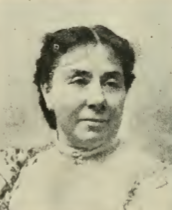
Euphémie Muraton (1840 - 1914)

Euphémie Muraton, born Camille Euphémie Duhanot in 1840 in Beaugency, France, was a distinguished French painter of the 19th and early 20th centuries. She became widely recognized for her captivating still life compositions, genre scenes, and exquisite animal portraits. Her artistic career spanned several decades, marked by consistent participation in the prestigious Paris Salon and recognition at international exhibitions. Muraton’s work offers a valuable glimpse into the artistic trends and domestic sensibilities of her era.

Her contributions to French art, particularly within the realm of still life and genre painting, solidified her reputation among her contemporaries. Muraton's canvases often featured vibrant floral arrangements, meticulously rendered fruits, and charming depictions of animals, showcasing a refined technique and a keen eye for detail. Her artistic journey was deeply intertwined with her personal life, as she married a fellow artist and continued to pursue her passion with dedication and skill.

Early Life and Artistic Formation

Born into a family in Beaugency, Loiret, France, Euphémie Duhanot's innate talent for art emerged early in her life. Her formal artistic training was significantly influenced by her future husband, Alphonse Muraton (1824–1911), who was himself an established history painter. She married Alphonse Muraton in 1854, taking on his surname and officially becoming Euphémie Muraton. This marital and professional partnership proved formative, with Alphonse not only as her spouse but also as her instructor and mentor in the demanding world of art.

The couple established their life in Paris, a vibrant center for artistic development and exhibition. Their household was a creative hub, as their son, Louis Muraton, also followed in his parents' footsteps to become a painter. This familial dedication to art underscores the environment in which Euphémie Muraton honed her craft and developed her distinctive style. Her early years were crucial for absorbing the techniques and theories that would define her prolific output throughout her career.

Artistic Style and Subjects

Euphémie Muraton developed a style characterized by its remarkable realism, vibrant palette, and meticulous attention to detail. She excelled particularly in still life painting, an area where her ability to render textures and light brought everyday objects to life on canvas. Her works frequently depicted lush floral arrangements, overflowing baskets of fruit, and arrangements of various domestic items. Critics often praised her "beautiful realism in form and color" and the "meticulous precision" with which she painted, especially when capturing the essence of fruits like apricots or peaches.

Beyond still lifes, Muraton was also celebrated for her genre paintings, which offered charming glimpses into daily life, and her animal portraits. Her depictions of pets, particularly small dogs such as Chihuahuas, miniature poodles, and French mastiffs, garnered her considerable popularity among the Parisian elite. These animal portraits were often sought after, adorning the salons of society's fashionable homes. One critic in 1865 lauded her work for an "energy rare in a woman," highlighting the vigor and exactitude of her drawing and the truthfulness of her colors.

Her paintings evoke a sense of warmth and domesticity, reflecting a common artistic sentiment of the late 19th century while maintaining a fresh and engaging quality. The careful composition and rich visual narrative within her pieces demonstrate a sophisticated understanding of light, shadow, and spatial relationships. Muraton’s artistic approach, combining technical prowess with sensitive observation, made her a distinctive figure in the French art scene of her time.

Major Exhibitions and Recognition

Euphémie Muraton was a consistent and respected presence at the annual Paris Salon, the official art exhibition of the Académie des Beaux-Arts. She debuted her work at the Salon in 1868 and continued to exhibit there regularly until 1913, a testament to her enduring career and consistent artistic output. Her long tenure at such a prominent institution speaks volumes about her sustained artistic quality and relevance within the French art establishment.

Her international acclaim was solidified by her participation in the 1893 World's Columbian Exposition in Chicago, Illinois. Muraton was one of approximately thirty French women painters whose works were featured in the dedicated Woman's Building at this significant global event. This exhibition provided a crucial platform for female artists to showcase their talents on an international stage, bringing her work to the attention of an American audience.

Beyond France, Muraton's artistic presence extended to Spain, where she was active in 1865 and 1867. During these periods, she participated in a National Exhibition, further broadening her reach and demonstrating her international appeal. This exposure allowed her to connect with different artistic circles and collectors, reinforcing her reputation as an artist of considerable merit. Her works from these periods often captured local subjects or reflected the influence of her travels.

Awards and Accolades

Throughout her career, Euphémie Muraton received several notable awards that underscored her talent and contribution to the arts. In 1880, she was awarded a third-class medal at the prestigious Paris Salon, a significant recognition within the competitive French art scene. This accolade highlighted the quality and appeal of her submissions, positioning her among the esteemed artists of her generation.

Further demonstrating her distinguished status, Muraton received a bronze medal at the Universal Exhibition of 1889. Universal Exhibitions were major international events that showcased technological and artistic achievements, and a medal from such an exhibition was a mark of considerable global recognition for her artistic excellence. These awards provided validation for her work and likely contributed to her continued success.

Additionally, some sources indicate she received a gold medal at the Exhibition of Women Painters in Paris in 1880. This specific recognition for female artists further emphasized her prominence and skill within a growing movement to celebrate women's contributions to art. These awards collectively illustrate her consistently high standards and her sustained impact on the art world during her lifetime.

Selected Works and Artistic Output

While a definitive "discography" in the musical sense is not applicable to a 19th-century painter, Euphémie Muraton produced a considerable body of work, primarily focusing on still life, genre scenes, and animal portraits. Her paintings are characterized by their rich detail and lively composition. Key examples of her work are housed in several French museums, preserving her artistic legacy for future generations.

Among her notable works are "Pêches et branche de prunes" (Peaches and Plum Branch), which dates to around 1908 and is held in the Musée des Beaux-Arts in Angers. Another significant piece, "Le Panier renversé" (The Overturned Basket), from approximately 1882, can be found in the Musée des Beaux-Arts de Rouen. These works exemplify her mastery of still life composition and her ability to imbue everyday objects with artistic significance.

Many of her still life paintings frequently appear at auction, such as "Grapes and apples in a wicker basket, with chrysanthemums to the side," which achieved a record price of $3,944 in 2007. Other popular subjects included "Nature morte aux pêches" (Still Life with Peaches), "Nature morte aux pommes et cerises" (Still Life with Apples and Cherries), and various floral still lifes with copper saucepans or spring blooms in glass vases. Her animal portraits, like "The white rooster, 1870" and "Guinea Pigs in the Dovecote," also attest to her versatility.

Two important sales of her works were conducted by Eugène Féral at Drouot in 1888 and 1890, indicating the high demand and critical interest in her art during her active years. These sales showcased a range of her productions, from delicate floral studies to more complex compositions involving animals and domestic settings. Her consistent production ensured a steady presence in the art market and public eye.

Legacy and Enduring Presence

Euphémie Muraton died in 1914, leaving behind a rich artistic legacy that continues to be appreciated today. Her work, characterized by its charm and technical skill, remains a testament to the talent of 19th-century women painters. Despite the passage of time, her paintings continue to circulate in the art market, appearing at auctions and in galleries, demonstrating a sustained interest from collectors and enthusiasts worldwide.

Her inclusion in the collections of several prominent French museums, including those in Rouen, Le Havre, Mulhouse, and Dieppe, ensures that her artistic contributions are preserved and accessible for scholarly study and public viewing. These institutional holdings are vital for maintaining her place in art history and for educating new generations about her distinctive style and subjects.

Even in the current era, over a century after her passing, Euphémie Muraton's art continues to find new audiences. Her works are frequently offered at auction, with platforms like MutualArt and Invaluable tracking her sales and performance, indicating a continued market presence. The detailed market data available for her artworks, including realized prices and performance trends, underscores her enduring value within the art collecting community.

The timeless appeal of her still lifes and the historical significance of her genre scenes ensure that Euphémie Muraton remains a recognized and respected figure in the canon of French 19th-century painting. Her life and work serve as an inspiring example of a dedicated female artist who achieved significant recognition and critical acclaim during a period when women artists often faced considerable challenges in the art world. Her meticulous attention to detail and her ability to capture beauty in everyday subjects continue to resonate with art lovers.

Close filter window

Product added to wishlist