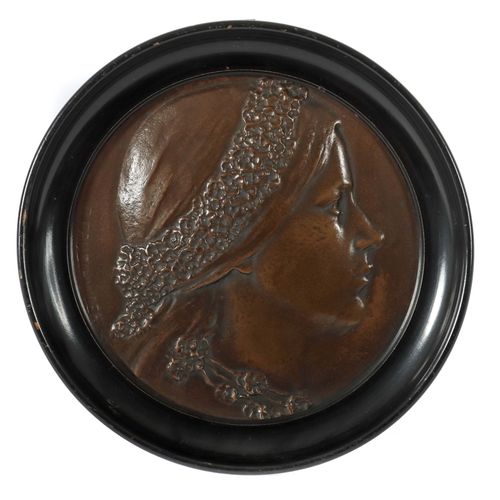
Rudolf Pauschinger (1882 - 1957)
Rudolf Pauschinger was a distinguished German artist, renowned primarily as a sculptor and medallist, whose creative period spanned the first half of the 20th century. Born in Schwäbisch Gmünd in 1882 and passing away in Stuttgart in 1957, Pauschinger left an indelible mark on German art, particularly through his evocative animal sculptures and significant public commissions. His work is characterized by a blend of naturalism and expressive form, reflecting the artistic currents of his time while maintaining a unique personal vision. He is remembered for contributing to the beautification of public spaces and for his compelling representations of the natural world.
Early Life and Artistic Formation
Rudolf Pauschinger's artistic journey began in his native Schwäbisch Gmünd, a town with a rich history of craftsmanship and artistic endeavor. Details of his earliest childhood and initial inclinations towards art remain somewhat scarce, but his talent was recognized early, leading him towards formal artistic training. He pursued his studies under the tutelage of Rudolf Bosselt in Darmstadt, a prominent German sculptor and medallist known for his contributions to the Art Nouveau movement and his later academic roles.
This foundational education in Darmstadt provided Pauschinger with a solid grounding in sculptural techniques and artistic principles. To broaden his perspective and deepen his understanding of classical and contemporary art, he undertook extensive study trips. These travels took him to the artistic hubs of Paris, Italy, and Spain. Such experiences were crucial for a young artist of his era, allowing him to engage directly with diverse artistic traditions and movements, from classical antiquity to the avant-garde. These formative years were instrumental in shaping his unique style and setting the stage for his impactful career in sculpture and medal design.
A Distinctive Sculptural Style
Pauschinger developed a highly recognizable sculptural style, distinguished by his profound engagement with animal motifs. He possessed a remarkable ability to capture the essence and movement of animals, transforming them into compelling bronze and sandstone forms. His repertoire frequently included graceful does and deer, powerful panthers, elegant flamingos, and even domestic creatures like ducks and chickens. These works often conveyed a sense of serene naturalism coupled with an underlying vitality, making them resonate deeply with viewers.
His sculptures often exhibit a nuanced understanding of anatomy and posture, reflecting careful observation and a classical appreciation for form. While rooted in realism, Pauschinger's work occasionally ventured into a more stylized interpretation, lending a timeless quality to his animal figures. It has been noted that some of his models bear a stylistic resemblance to the statues created by Fritz von Graevenitz, another influential sculptor who was also a teacher at the Stuttgart Academy of Fine Arts. This suggests a shared artistic milieu or mutual influence within the Stuttgart art scene of the period. Pauschinger's choice of materials, predominantly bronze and sandstone, further enhanced the tactile and enduring quality of his creations, allowing them to grace both indoor settings and public outdoor spaces for decades.
Public Commissions and Notable Works
Rudolf Pauschinger's artistic legacy is strongly intertwined with his numerous public commissions, which enriched the urban landscapes of several German cities. One of his well-known works is the "Entenbrunnen" (Duck Fountain) located in the picturesque Höhenpark Killesberg in Stuttgart. This charming fountain, featuring his signature animal figures, has become a beloved fixture in the park, illustrating his ability to integrate art seamlessly into environmental settings.
Another significant public work is the obelisk he created in 1954, adorned with bronze reliefs, situated at the Holzmarkt in Ludwigsburg. This monument serves as a poignant tribute to renowned writers and poets associated with Ludwigsburg, including Justinus Kerner, David Friedrich Strauß, Friedrich Theodor Vischer, and Eduard Mörike. The intricate bronze reliefs demonstrate Pauschinger's skill as a medallist and his capacity to convey narrative and historical significance through his art.
One of his most enduring and frequently referenced public installations is the "Flamingopaar" (Flamingo Pair or Flamingo Group) in the Höhenpark Killesberg in Stuttgart. This elegant bronze sculpture, depicting a pair of flamingos, was installed on May 23, 1957, shortly after his passing. The installation of such a significant work posthumously underscores the lasting value and recognition of his artistic contributions. Beyond these major public works, Pauschinger also produced numerous individual sculptures and etchings. His auction records reveal a consistent output of pieces like "Reh" (deer), "Rehkitz" (fawn), "Löwenpaar" (lion pair), "Schleichender Panther" (creeping panther), and various etchings depicting ducks, chickens, and cats, all reflecting his mastery of animal portraiture.
Professional Life and Affiliations
Beyond his prolific output as a sculptor, Rudolf Pauschinger was also an active participant in the artistic and academic communities of his time. He dedicated a portion of his career to art education, serving as a teacher at the Staatsbauschule in Stuttgart. This role allowed him to impart his knowledge and experience to the next generation of artists and artisans, influencing the development of architectural and sculptural practices in the region. His teaching tenure would have fostered a deeper connection to the city's creative pulse and contributed to its educational institutions.
Furthermore, Pauschinger was a committed member of the Künstlerbund of Stuttgart. This artists' association played a crucial role in promoting the visual arts, organizing exhibitions, and fostering collegiality among artists in Stuttgart and the surrounding areas. His involvement in such a significant artistic collective demonstrates his dedication not only to his personal artistic pursuits but also to the broader cultural landscape. Membership in the Künstlerbund would have provided him with opportunities for exhibition, critical dialogue, and professional networking, solidifying his standing within the German art community during a pivotal era.
Legacy and Market Presence
Rudolf Pauschinger's contributions to German sculpture endure, cementing his place as an important artist of the 20th century. Although he passed away in 1957, his work continues to be appreciated and sought after in the art market. His sculptures frequently appear at auction, a testament to their lasting appeal and quality. Artworks by Pauschinger have achieved realized prices ranging from 65 USD to 4,142 USD, reflecting their value and desirability among collectors.
A notable example of his market strength is a creeping panther bronze sculpture, which set a record price for the artist at auction in 2021, selling for 4,142 USD. Other works such as "Reh," "Rehkitz," and "Löwenpaar" have also commanded respectable prices, underscoring the consistent interest in his animal figures. The continued presence of his work in auctions, even decades after his death, indicates a sustained recognition of his artistic merit and enduring appeal. While "latest albums" or "recent projects" are not applicable to an artist of his era, the ongoing market activity for his pieces serves as a contemporary measure of his legacy.
His public sculptures remain integral parts of the urban fabric in cities like Stuttgart and Ludwigsburg, ensuring that his artistic vision continues to be accessible to the public. These permanent installations serve as tangible reminders of his skill and his profound connection to the natural world. Rudolf Pauschinger's work provides a window into the artistic sensibilities of early to mid-20th century German sculpture, securing his place as a significant figure whose legacy continues to resonate with art enthusiasts and collectors alike.